
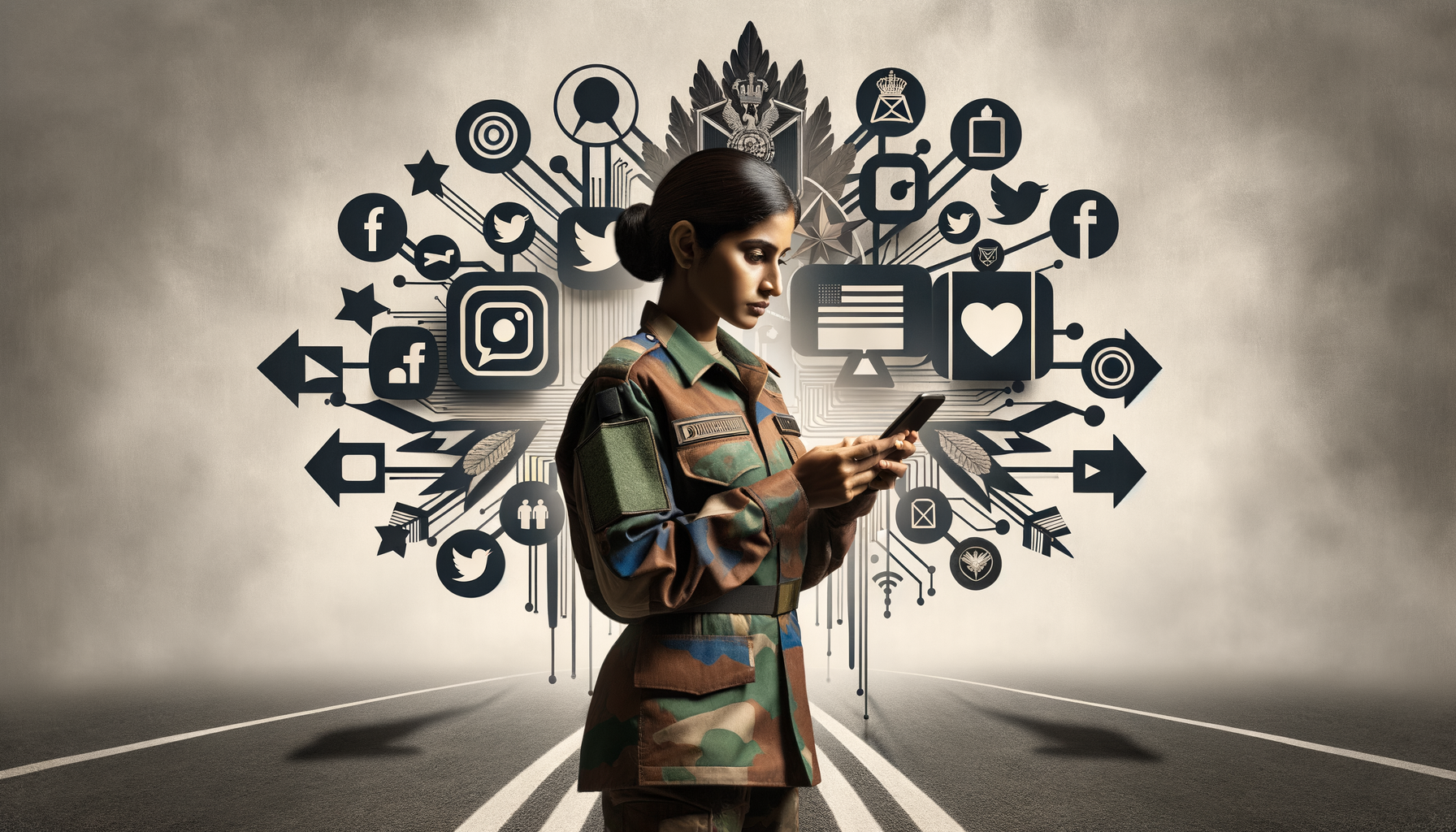

The short answer Yes, “military influencers” are real, the Army did pilot a program to work with them, and ethics rules about monetizing service status are tightening. The $500,000 income claims are plausible but unverified, and some headline details—like a key creator’s rank and specific “scandalous” posts—don’t check out.
The long story is more complicated—and more interesting.
Headline The Army’s Influencer Era: Big Follows, Bigger Rules, and a Pilot Program That Hit Pause
Subhead A boom in soldier–creators is colliding with Pentagon ethics. We verified what’s real, what’s exaggerated, and what remains in the gray.
Lead: The surprising correction that changes the frame Start here: the Army’s “Creative Reserve” really existed—and it’s now paused. Business Insider and AFCEA reported the Army gathered about eight soldier–creators in Washington, DC, for the service’s 250th birthday push, generating tens of millions of views at a travel cost near $22,000, before the pilot was put on hold for an ethics/legal review centered on monetization and optics. That’s a far cry from “rogue influencers”—and also not the fully sanctioned free‑for‑all some posts suggest. (Business Insider: https://www.businessinsider.com/military-influencers-social-media-pentagon-ethics-policy-gray-area-2025-11?utm_source=openai; AFCEA: https://www.afcea.org/signal-media/army-kicks-creative-reserve-pilot-program?utm_source=openai)
Who’s who—and what’s actually verified
- Austin von Letkemann (“MandatoryFunDay”): He’s real and prominent. But the original article’s “Army captain” with “15 years” doesn’t match contemporaneous records. As of Feb. 11, 2025, the American Legion listed him as a 1st Lieutenant with 12 years, consistent with a platoon leader role. His claim of “120 million views in 30 days” isn’t independently corroborated; other profiles point closer to ~20 million monthly viewers. He did take part in the now‑paused Creative Reserve DC activation. (American Legion: https://centennial.legion.org/video/UUlEg8BvcEH4ZVkK6f9s_Z6Q/vhM2445lBwU?utm_source=openai; Business Insider: https://www.businessinsider.com/military-influencers-social-media-pentagon-ethics-policy-gray-area-2025-11?utm_source=openai)
- Johnny “Viva La Vargas” Vargas: Verified as an on‑duty Army NCO and creator; profiled for consulting and partnerships that supplement his military income. Also named among Creative Reserve participants. (Business Insider: https://www.businessinsider.com/soldier-side-hustle-tiktok-instagram-influencer-pay-army-2025-11?utm_source=openai; AFCEA: https://www.afcea.org/signal-media/army-kicks-creative-reserve-pilot-program?utm_source=openai)
- Hayley Lujan (@haylujan): A high‑visibility creator who has branded herself as “Army PSYOP” online. The existence of large followings and controversy is supported. Specific posts cited in the original—like a black‑dress caption about “free booze” and a “Ronald McDonald outfit with a gun” and “link in bio”—could not be independently verified. Treat those examples as unconfirmed. (Her X/Twitter: https://twitter.com/lujanpsyop/with_replies?utm_source=openai)
- Rylee “Rye/RyeRoast,” USAF medic: Confirmed as a real Airman and creator with follower counts in the range cited. Official USAF imagery identifies Senior Airman Rylee Hatch, medical technician. (USAF photo page: https://www.acc.af.mil/News/Photos/igphoto/2002733095/?utm_source=openai)
- Christopher Sparks; Dominic Wakeham: We didn’t find reliable independent profiles tying these names to the behaviors described. Unverified.
Why this matters: the money and the rules
- The pay gap that fuels the trend: A junior enlisted service member can land in the $35,000–$60,000 total‑compensation range once you add housing and subsistence allowances to base pay (location matters). That makes the lure of monetized reach obvious. (DFAS 2025 enlisted pay: https://www.dfas.mil/MilitaryMembers/payentitlements/Pay-Tables/Basic-Pay/EM/?utm_source=openai)
- The influencer math: Industry guides commonly quote $5,000–$10,000 per Instagram post for 500k–1M‑follower accounts, but real earnings hinge on engagement, niche, and deals. Mid‑six‑figure annual totals are plausible for big, active creators—but claims of “up to $500,000 a year” remain anecdotal without disclosures. (Rate benchmarks: https://vistasocial.com/insights/influencer-rates/?utm_source=openai)
- The ethics line: Federal ethics rules bar using public office for private gain, endorsements, or preferential treatment. DoD’s social‑media policy governs official use (DoDI 5400.17), and commanders lean on general ethics law to police personal accounts. Former Army lawyer Matthew Fitzgerald has argued that monetizing one’s name, image, and likeness tied to service status runs afoul of these rules. The Army’s pause of its creator pilot sits squarely in that tension. (Business Insider quoting Fitzgerald: https://www.businessinsider.com/military-influencers-social-media-pentagon-ethics-policy-gray-area-2025-11?utm_source=openai)
Story behind the pause: what our reporting found
- Verified: The Army did assemble a small cohort of soldier–creators in DC around its 250th birthday; the Creative Reserve pilot was subsequently paused for an ethics/legal review centered on monetization and optics—not publicly characterized as a clear legal violation. (AFCEA; Business Insider)
- Correction: The original framed the pause as “due to legal issues over soldiers making financial profit.” More accurate: it’s paused amid an ongoing review of how existing ethics rules apply to monetized content that leverages military status. No single, new “NIL‑style” rule exists for troops; enforcement currently depends on commanders and established ethics guidance. (Business Insider: https://www.businessinsider.com/army-recruiters-social-media-influencers-2025-11?utm_source=openai)
The culture clash, in plain English Think of the military’s uniform like a team jersey meant to erase the name on the back. Now imagine half the team also runs their own channels, sells merch, and talks directly to millions of fans. That can help recruiting and education. It can also cross into personal brand‑building that uses the “jersey” to sell something. The Army tried to channel that energy; then it tapped the brakes.
Key findings and corrections
- Verified trend: Military influencers are a real and growing force. The Army piloted a creator program that’s now on hold for an ethics review. (AFCEA; Business Insider)
- Correction: Austin von Letkemann was a 1st Lieutenant with 12 years of service as of early 2025—not a captain “going on 15 years.” His “120M views in 30 days” claim is unverified. (American Legion)
- Unverified anecdotes: The specific “black dress/free booze” and “Ronald McDonald with a gun” posts attributed to Hayley Lujan; identities/behaviors for Christopher Sparks and Dominic Wakeham in this context. We could not confirm these. (Lujan’s X/Twitter; open‑source checks)
- Nuance on the pause: Better described as an ethics/legal review rather than an officially declared legal breach. (Business Insider)
- Money claims: $5k–$10k/post for 500k‑follower creators is a reasonable industry range; “up to $500k/year” remains anecdotal without documentation. (Vista Social)
What we still don’t know
- How, exactly, the Army will rewrite or clarify guidance for soldier–creators—and whether a formal “NIL” policy for troops is coming.
- Which specific monetization behaviors (e.g., brand deals in uniform, MIL‑specific discounts, subscription content referencing rank) will trigger discipline under existing rules.
- The precise incomes of named creators; without public disclosures or tax records, we treat big numbers as claims, not facts.
How we checked
- Corroborated the Creative Reserve’s existence and pause through AFCEA and Business Insider reports. (AFCEA: https://www.afcea.org/signal-media/army-kicks-creative-reserve-pilot-program?utm_source=openai; BI: https://www.businessinsider.com/military-influencers-social-media-pentagon-ethics-policy-gray-area-2025-11?utm_source=openai)
- Verified identities and roles for named creators where possible (Letkemann via American Legion; Vargas via BI; Lujan via her public profiles; USAF medic via official photo pages).
- Cross‑checked pay tables via DFAS and influencer rate norms via industry guides.
- Attempted to locate the original Daily Mail interviews and specific social posts cited; could not verify them independently.
Bottom line
- The phenomenon is real. The money—at least at the top—is plausible. The rules are tightening. And while some creators say they’re educating and recruiting, the Pentagon’s patience for monetizing the uniform is limited. Expect clearer lines—and likely a few high‑profile tests of them—before this story is over.